

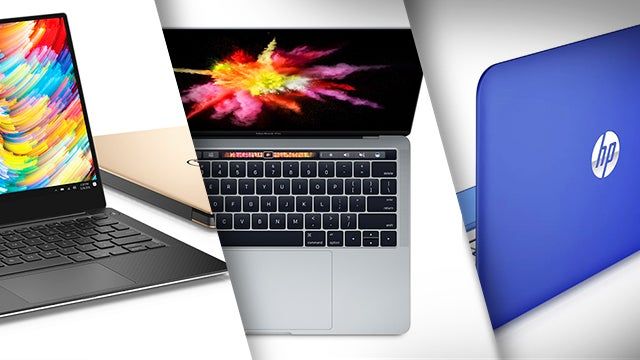
With so many options available in the market, choosing the right laptop can be a daunting task. Whether you are a student, a professional, or a gaming enthusiast, finding the perfect laptop that suits your needs can make a huge difference in your overall productivity and satisfaction. In this comprehensive guide, we will walk you through the key factors to consider when buying a laptop to ensure that you make the best choice.
Operating System
One of the first decisions you need to make when buying a laptop is choosing the right operating system. The three most common options are Windows, macOS, and Chrome OS. Windows is the most versatile and widely used operating system, while macOS is known for its sleek design and seamless integration with other Apple devices. Chrome OS, on the other hand, is a lightweight operating system that is perfect for users who mainly rely on web-based apps.
Performance
When it comes to performance, there are a few key components that you should pay attention to. The processor, RAM, and storage are crucial factors that determine the speed and efficiency of your laptop. For most users, a laptop with an Intel Core i5 processor, 8GB of RAM, and at least 256GB of storage should be sufficient for everyday tasks. However, if you are a power user or a gamer, you may want to opt for a laptop with higher specs.
Display
The display of your laptop is another important aspect to consider. Higher resolution displays offer better image quality and sharper text, while touchscreens can provide a more interactive experience. Depending on your needs, you can choose between various display sizes, resolutions, and panel types such as IPS or OLED.
Portability
If you are always on the go, portability is a crucial factor to consider when choosing a laptop. Thin and lightweight laptops are ideal for frequent travelers, while larger laptops may offer better battery life and performance. Consider the size, weight, and battery life of the laptop to ensure that it can meet your needs without sacrificing convenience.
Connectivity
Having the right ports and connectivity options on your laptop can make a huge difference in your user experience. Look for laptops that offer a good selection of ports such as USB-C, HDMI, and SD card slots. Additionally, features such as built-in Wi-Fi, Bluetooth, and Ethernet connectivity can further enhance the versatility of your laptop.
Budget
Lastly, it is important to consider your budget when buying a laptop. Determine how much you are willing to spend and narrow down your options accordingly. Keep in mind that investing in a high-quality laptop can be a worthwhile long-term investment that can save you money on repairs and upgrades down the line.
Conclusion
Choosing the right laptop is a decision that should not be taken lightly. By considering factors such as operating system, performance, display, portability, connectivity, and budget, you can ensure that you find the perfect laptop that meets all your needs. Take your time to research and compare different options before making a decision, and you will be rewarded with a laptop that enhances your productivity and enjoyment for years to come.
Follow this comprehensive laptop buying guide to choose the right laptop for your needs! Happy shopping!