

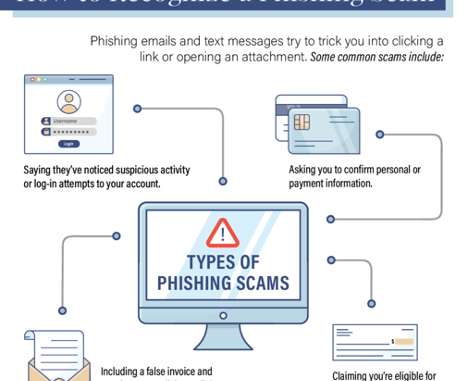
Phishing attacks are a common and serious threat in the digital age. These attacks use deceptive emails, websites, and messages to trick individuals into revealing sensitive information, such as passwords, credit card numbers, and personal details.
What is Phishing?
Phishing is a type of cyber attack that aims to steal personal information through fraudulent means. Hackers create fake emails, websites, or messages that appear to be from legitimate sources, such as banks, social media platforms, or government agencies. These phishing attempts often contain urgent messages that prompt users to click on malicious links or provide their confidential information.
How to Protect Yourself from Phishing Attacks
Be Skeptical of Emails: Be cautious of emails from unknown senders or messages that seem suspicious. Look for grammatical errors, misspelled words, and generic greetings that indicate a phishing attempt.
Avoid Clicking on Suspicious Links: Hover your mouse over links in emails or messages to preview the URL before clicking. If the link looks unfamiliar or suspicious, do not click on it.
Verify the Source: Before providing any personal information, verify the legitimacy of the sender or website. Contact the company or organization directly using a trusted phone number or website to confirm the request.
Enable Two-Factor Authentication: Set up two-factor authentication for your online accounts to add an extra layer of security. This will require a second verification step, such as a code sent to your mobile device, to access your accounts.
Keep Software Updated: Regularly update your operating system, web browser, and antivirus software to protect against known vulnerabilities and security threats.
Use Strong Passwords: Create unique and complex passwords for each of your online accounts. Avoid using easily guessable passwords, such as “123456” or “password.”
Report Phishing Attempts: If you receive a suspicious email or message, report it to the appropriate authorities, such as your email provider, the Federal Trade Commission (FTC), or the Anti-Phishing Working Group (APWG).
Conclusion
Phishing attacks can have devastating consequences, including identity theft, financial loss, and compromised security. By following these tips and staying vigilant online, you can protect yourself from falling victim to phishing scams. Remember to always think twice before clicking on links or providing personal information, and report any suspicious activity immediately.