

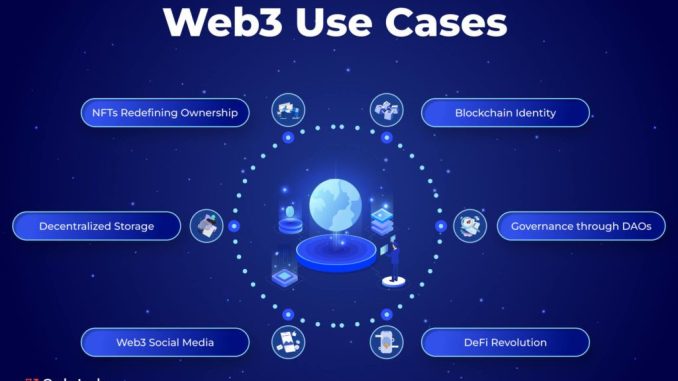
In recent years, the term “Web3” has been gaining momentum as a new way to conceptualize the future of the internet. While the current web, known as Web2, is dominated by giant tech companies and centralized platforms, Web3 is emerging as a decentralized alternative that puts users in control of their data and online interactions.
Decentralization and Blockchain Technology
At the core of Web3 is the concept of decentralization, which is made possible by blockchain technology. Unlike traditional centralized systems where data is stored on servers controlled by a single entity, blockchain technology distributes data across a network of computers, making it more secure and resistant to censorship.
By using blockchain technology, Web3 platforms can offer greater transparency, privacy, and security for users. For example, cryptocurrencies like Bitcoin and Ethereum are built on blockchain technology, allowing users to send and receive digital assets without the need for intermediaries.
User Ownership and Control
One of the key tenets of Web3 is giving users ownership and control over their data. In the current web ecosystem, tech giants like Google and Facebook collect and monetize user data without their consent. In Web3, users have the ability to control who has access to their data and can choose to monetize it themselves.
Platforms like Solid, developed by Tim Berners-Lee, the inventor of the World Wide Web, aim to give users more control over their personal data. With Solid, users can store their data in a “pod” and choose which apps and services have access to it. This not only gives users more privacy but also empowers them to benefit from their own data.
Interoperability and Seamless Experiences
Web3 is not just about decentralization and user control, but also about creating seamless and interoperable experiences across different platforms. With Web3 technologies like decentralized finance (DeFi) and non-fungible tokens (NFTs), users can seamlessly interact with different applications and services without having to create multiple accounts or go through cumbersome identity verification processes.
For example, a user could use their Ethereum wallet to access various DeFi applications, borrow or lend assets, and participate in token sales without having to create new accounts or disclose their personal information. This level of interoperability could revolutionize the way we interact with online services and make the internet more user-friendly.
The Future of Web3
As Web3 continues to evolve, we can expect to see more innovative applications and platforms that prioritize decentralization, user ownership, and interoperability. From decentralized social networks to self-sovereign identity solutions, Web3 has the potential to reshape the internet as we know it.
However, with new technologies come new challenges, such as scalability, security, and regulatory compliance. It will be crucial for developers, entrepreneurs, and policymakers to work together to address these challenges and ensure that Web3 fulfills its promise of a more open, transparent, and inclusive internet.
Overall, Web3 represents a paradigm shift in the way we think about the internet and its potential to empower users and create a more democratic and equitable digital ecosystem. As we continue to explore the possibilities of Web3, it is important to keep in mind the values of decentralization, user ownership, and interoperability that underpin this new era of the web.