

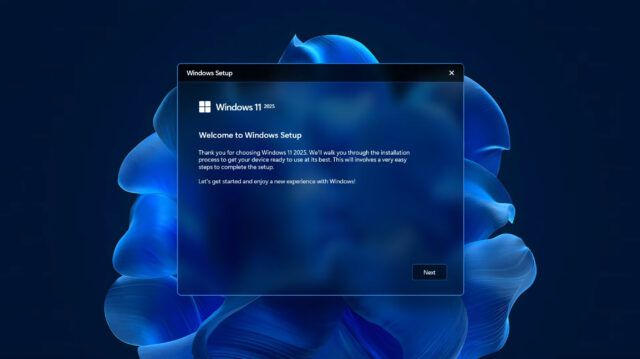
With the recent release of Windows 11, the tech world is buzzing with excitement over the new features and enhancements that Microsoft has brought to the table. But as we look towards the future, many are wondering what comes next in the world of operating systems. Will Windows 11 be the last of its kind, or will there be something even more innovative on the horizon?
The Rise of Mobile Operating Systems
In recent years, we’ve seen a shift towards mobile devices as our primary means of computing. Mobile operating systems like Android and iOS have become increasingly popular, offering users a seamless and intuitive experience that is tailored to the needs of modern consumers. As we move forward, it’s likely that we’ll see a continued focus on mobile operating systems, with new features and advancements that further blur the lines between mobile and desktop computing.
The Shift to Cloud-Based Computing
One of the biggest trends in computing today is the shift towards cloud-based computing. Services like Google Workspace and Microsoft 365 are leading the charge, offering users the ability to access their files and applications from anywhere, on any device. As we look towards the future, it’s likely that we’ll see even more emphasis on cloud-based operating systems that blur the lines between traditional desktop computing and the cloud, offering users a seamless and integrated experience.
The Rise of Artificial Intelligence
Artificial intelligence is another major trend that is shaping the future of operating systems. AI-powered assistants like Siri and Cortana are becoming increasingly common, offering users a more personalized and intuitive computing experience. As AI technology continues to evolve, we can expect to see even more integration of AI into operating systems, offering users smart features and capabilities that make computing more efficient and enjoyable.
The Role of Virtual and Augmented Reality
Virtual and augmented reality are two technologies that are quickly gaining traction in the tech world. These immersive technologies offer users a whole new way to interact with their computers and devices, opening up a world of possibilities for computing in the future. As VR and AR continue to evolve, we can expect to see operating systems that are designed to take full advantage of these technologies, offering users a truly immersive and interactive computing experience.
The Importance of Security and Privacy
One of the biggest challenges facing operating systems today is the issue of security and privacy. With the increasing amount of personal information that we store on our devices, it’s more important than ever to ensure that our operating systems are secure and protect our privacy. As we look towards the future, we can expect to see operating systems that place a greater emphasis on security and privacy, offering users peace of mind and confidence in their computing experience.
Conclusion
As we look towards the future of operating systems, it’s clear that there are a number of exciting trends and technologies that are shaping the way we interact with our devices. From mobile operating systems and cloud computing to artificial intelligence and virtual reality, the future of operating systems is bright and full of potential. While Windows 11 may be the latest and greatest for now, it’s clear that there is much more innovation to come in the world of operating systems.
So, what’s next after Windows 11? Only time will tell, but one thing is for certain – the future of operating systems is sure to be filled with new features, advancements, and innovations that will continue to redefine the way we interact with our devices.