

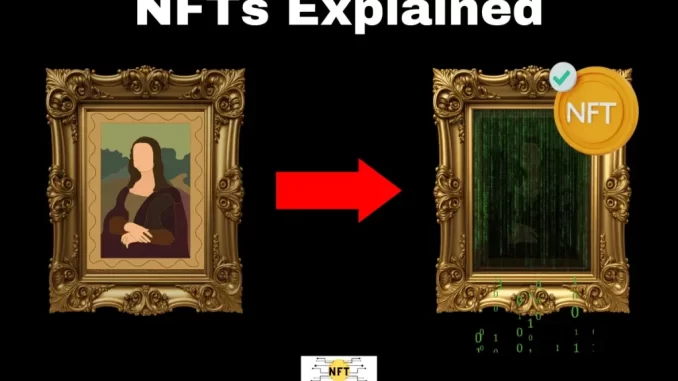
Non-fungible tokens (NFTs) have been making waves in the tech world, but what exactly are they? In simple terms, NFTs are unique digital assets that are stored on a blockchain. Unlike cryptocurrencies such as Bitcoin, which are fungible and can be exchanged on a one-to-one basis, each NFT has its own distinct value and cannot be replicated.
How NFTs Work
When someone purchases an NFT, they receive a digital certificate of ownership that is stored on the blockchain. This certificate contains information about the asset, such as its creator, date of creation, and any associated metadata. This gives the NFT value and authenticity, making it unique and irreplaceable.
Creating NFTs
Creating an NFT involves minting a new token on a blockchain platform such as Ethereum. This process requires the creator to provide a digital file – such as artwork, music, videos, or even tweets – to be stored as the unique asset. Once minted, the NFT can then be bought and sold on various online marketplaces.
Buying and Selling NFTs
Buying and selling NFTs is similar to trading physical assets, but it all takes place in the digital realm. Users can browse online marketplaces, such as OpenSea or Rarible, to find a wide range of NFTs to purchase. Once a buyer decides to make a purchase, they exchange cryptocurrency for the NFT and the ownership certificate is transferred to their digital wallet.
Benefits of NFTs
One of the key benefits of NFTs is their ability to provide artists and creators with a new way to monetize their work. By selling NFTs, creators can receive royalties every time their digital asset is resold, providing them with a recurring source of income. Additionally, NFTs offer collectors a way to own unique digital assets and showcase their collections in a secure and verifiable manner.
Challenges of NFTs
Despite their potential, NFTs also face challenges in terms of sustainability and environmental impact. The energy-intensive nature of blockchain technology used to create and store NFTs has raised concerns about the carbon footprint of the NFT market. Additionally, there is a risk of fraud and scams in the NFT space, as the market is still relatively new and lacks regulation.
Conclusion
NFTs are revolutionizing the way we think about ownership and value in the digital world. By providing a secure and verifiable way to buy, sell, and trade unique digital assets, NFTs are changing the way we interact with art, music, and other forms of digital content. As the market continues to grow and evolve, it will be important for creators, collectors, and investors to stay informed and navigate the challenges and opportunities of the NFT space.