

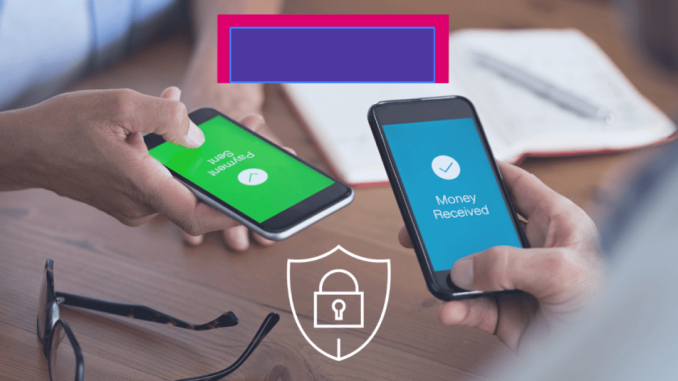
In a world where convenience is key, mobile payments have become increasingly popular. Whether it’s through apps like Apple Pay, Google Pay, or Samsung Pay, or by using mobile wallets like PayPal or Venmo, consumers are embracing the ease and efficiency of making payments with just a few taps on their smartphones.
But with this convenience comes concerns about security. How safe are mobile payments, and what measures are in place to protect users’ sensitive information? In this article, we will explore the security features of mobile payments and provide tips on how to keep your transactions safe.
The Basics of Mobile Payments
Mobile payments involve using your smartphone to make in-store or online purchases. These transactions can be completed using Near Field Communication (NFC) technology, which allows for contactless payments, or through mobile wallet apps that securely store your payment information.
When you make a mobile payment, your financial information is encrypted and stored securely on your device or in the cloud. This information is tokenized, meaning that a unique token is generated for each transaction to protect your sensitive data from being exposed.
Security Measures in Place
Mobile payment providers take security seriously and have implemented several measures to protect users’ information. Some of the security features you may encounter when using mobile payments include:
Biometric authentication: Many mobile payment apps require users to authenticate their identity using fingerprint, facial recognition, or iris scan technology.
Tokenization: As mentioned earlier, tokenization creates a unique token for each transaction, reducing the risk of fraud.
Encryption: All financial information transmitted during a mobile payment is encrypted to prevent unauthorized access.
Two-factor authentication: Some mobile payment providers require users to enter a one-time code sent to their mobile device to complete a transaction.
Device authentication: Devices used for mobile payments are verified to ensure they are secure and authorized for use.
Tips for Secure Mobile Payments
While mobile payments are generally considered safe, there are steps you can take to further protect your information:
Keep your device updated: Regularly updating your smartphone’s operating system and apps can help patch security vulnerabilities.
Enable biometric authentication: Use fingerprint or facial recognition to add an extra layer of security to your mobile payments.
Use strong passwords: Protect your mobile wallet apps with a unique and secure password.
Avoid public Wi-Fi: When making mobile payments, avoid using public Wi-Fi networks, as they may be unsecure.
Monitor your transactions: Regularly review your transaction history to detect any unauthorized activity.
Conclusion
Mobile payments offer a convenient and efficient way to make transactions, but it’s important to understand the security measures in place to protect your information. By taking proactive steps to secure your device and follow best practices for mobile payments, you can enjoy the benefits of this technology without compromising your data. Remember to stay informed and vigilant when using mobile payments to ensure a safe and secure experience.